Hidden Invaders: The Species Changing Quinte West’s Ecosystem
October 9, 2026Written by: Ava Runions
Getting out to explore Quinte West and all its beautiful flora and fauna is a perfect Autumn activity. But beneath all of the region’s beauty, some creatures that are terrible for the local ecosystem are lurking in the shadows. Invasive plant and animal species plague local forests and lakes, and they can only be stopped by taking action. Today, QMNH summer student and community programs and education assistant Ava Runions explores some of the invasive species wreaking havoc on our beautiful southern Ontario environment and what we can do to help prevent their spread.
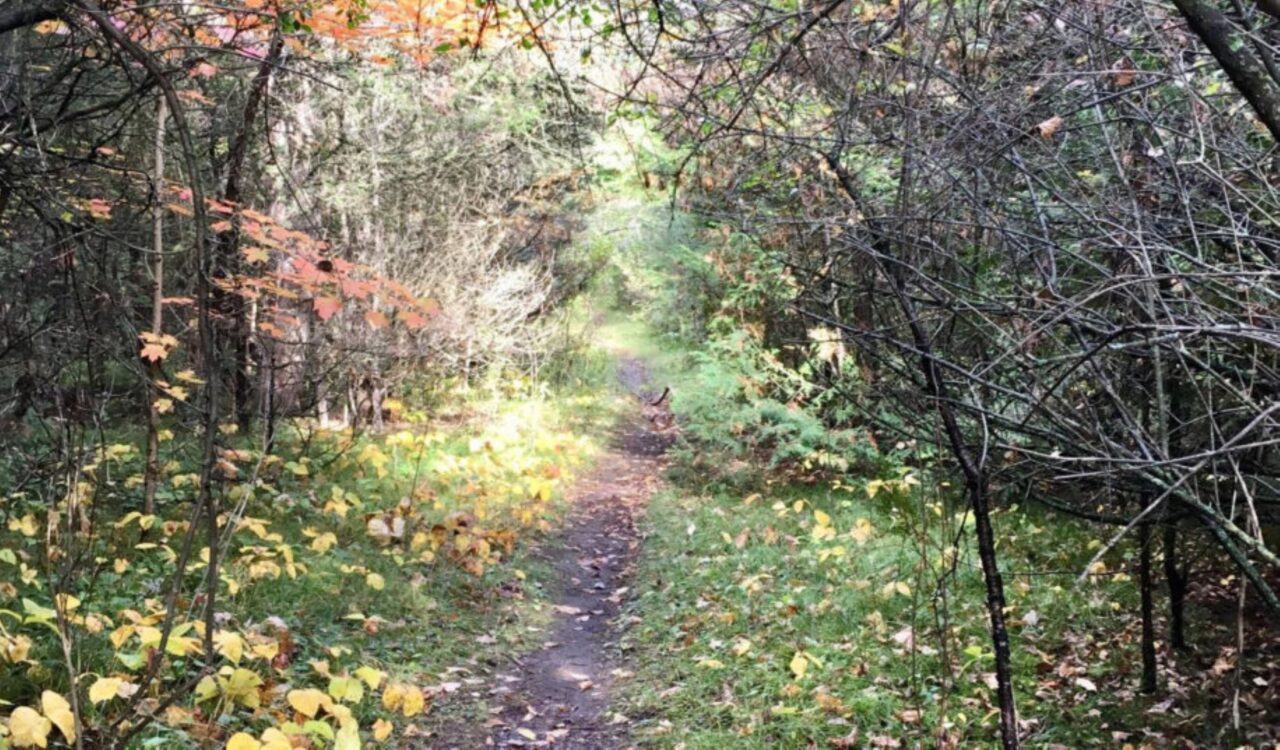
Take a walk through Quinte West, and you will find yourself surrounded by life. Monarch butterflies fly by, goldfinches in the meadows, and turtles bask in the sun. At first glance, everything seems as it should be.
But look a little closer.
The yellow flowers growing along the roadside may not belong there. The thick vine climbing over shrubs at the edge of the forest could be quietly preventing native plants from growing. Even beneath the calm surface of the Bay of Quinte, tiny mussels may be altering the entire aquatic ecosystem.
These are invasive species: organisms that have arrived from other parts of the world and are changing the landscapes we know and love.
Invasive species are one of the greatest threats to biodiversity in Canada. They compete with native plants and animals for food and habitat, spread quickly without their natural predators, and can permanently alter ecosystems. While climate change and habitat loss are often a main focus when it comes to wildlife conservation, invasive species are another powerful force shaping the future of our forests, wetlands, rivers, and shorelines.
Here in Quinte West, the effects are already visible.
What Makes a Species “Invasive”?
Not every non-native species is invasive. If it doesn’t occur in the area naturally and it’s harmful for the native species, it’s invasive. Many plants and animals introduced from elsewhere live alongside native species without causing significant harm. But an invasive species spreads rapidly and causes ecological, economic, or social damage. Because they evolved elsewhere, invasive species often arrive without the insects, diseases, or predators that kept their populations in balance. Freed from these natural regulators, they can multiply quickly and outcompete native species that have evolved together over thousands of years.
Wild Parsnip
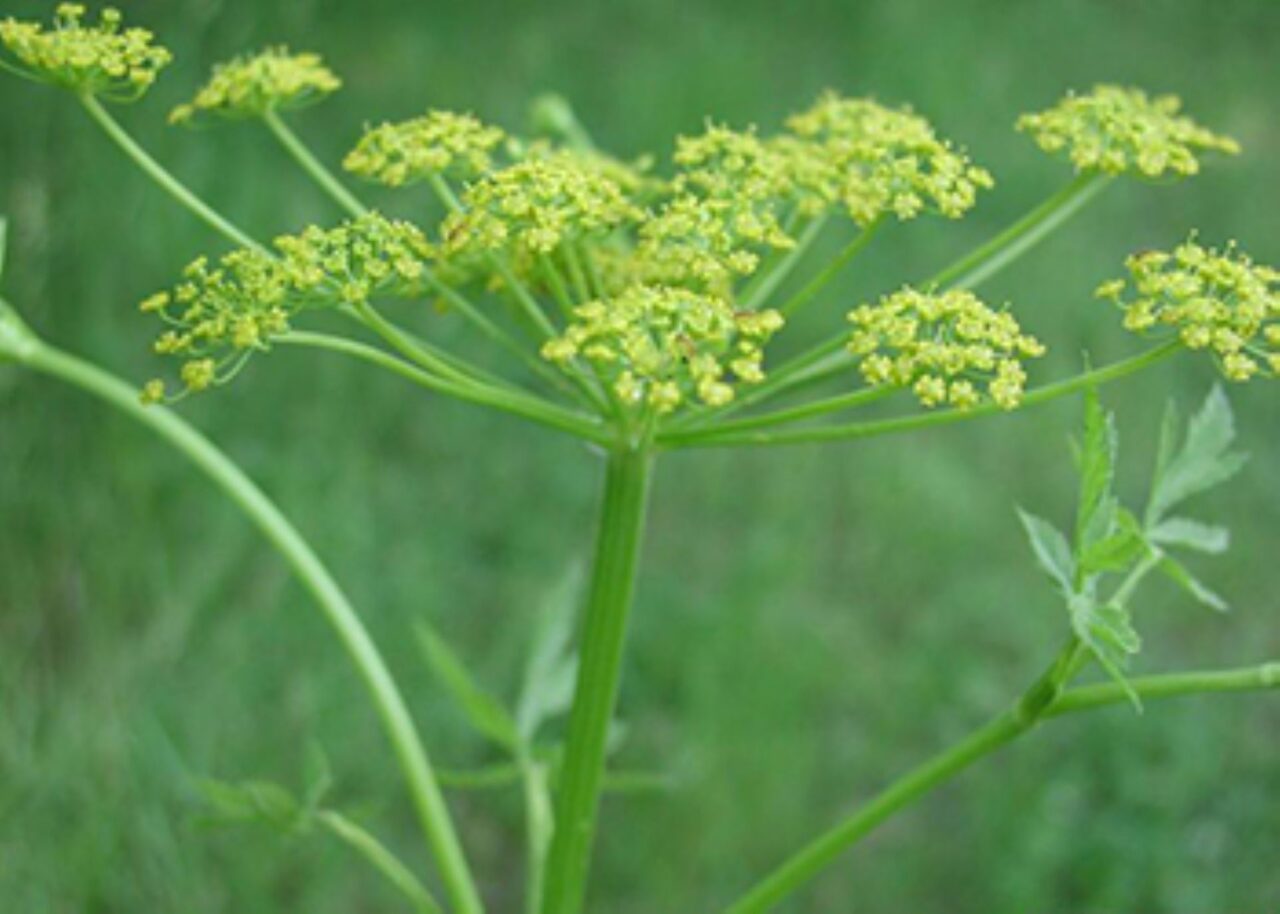
Every summer, roadsides around Quinte West burst into brilliant yellow blooms. While they might resemble wildflowers, many of these plants are wild parsnip (Pastinaca sativa).
Wild parsnip has become widespread throughout southern Ontario, thriving in open fields, ditches and trail edges. It isn’t simply an aggressive plant; it can also pose a serious health risk.
The sap contains chemicals that react with sunlight. If the sap gets on your skin and is then exposed to ultraviolet light, it can cause painful burns, blistering, and skin discoloration that may last for months. This reaction, known as phytophotodermatitis (phyto, which means plant; photo, which means sunlight; dermatitis, which is inflammation of the skin), is one reason municipalities across Ontario work to manage wild parsnip along roadsides and in public spaces.
Fortunately, simply walking past the plant is safe. Problems occur when the plant is broken or handled. Learning to recognize its umbrella-shaped clusters of small yellow flowers and avoiding direct contact are the best ways to stay safe while enjoying local trails.
Dog-Strangling Vine
One of the most troublesome invasive plants in southern Ontario has an unusual name: dog-strangling vine. Despite the dramatic title, it doesn’t actually strangle dogs, but it does ‘strangle’ native vegetation by forming dense mats that blanket forests, fence rows, and abandoned fields.
Its greatest ecological impact may be on one of Canada’s most beloved insects… the monarch butterfly. Monarch butterflies have evolved to lay their eggs on milkweed, the only plant their caterpillars can eat. Unfortunately, dog-strangling vine looks similar enough that monarchs sometimes mistake it for milkweed. Eggs laid on the vine rarely survive because the caterpillars cannot develop successfully on it.
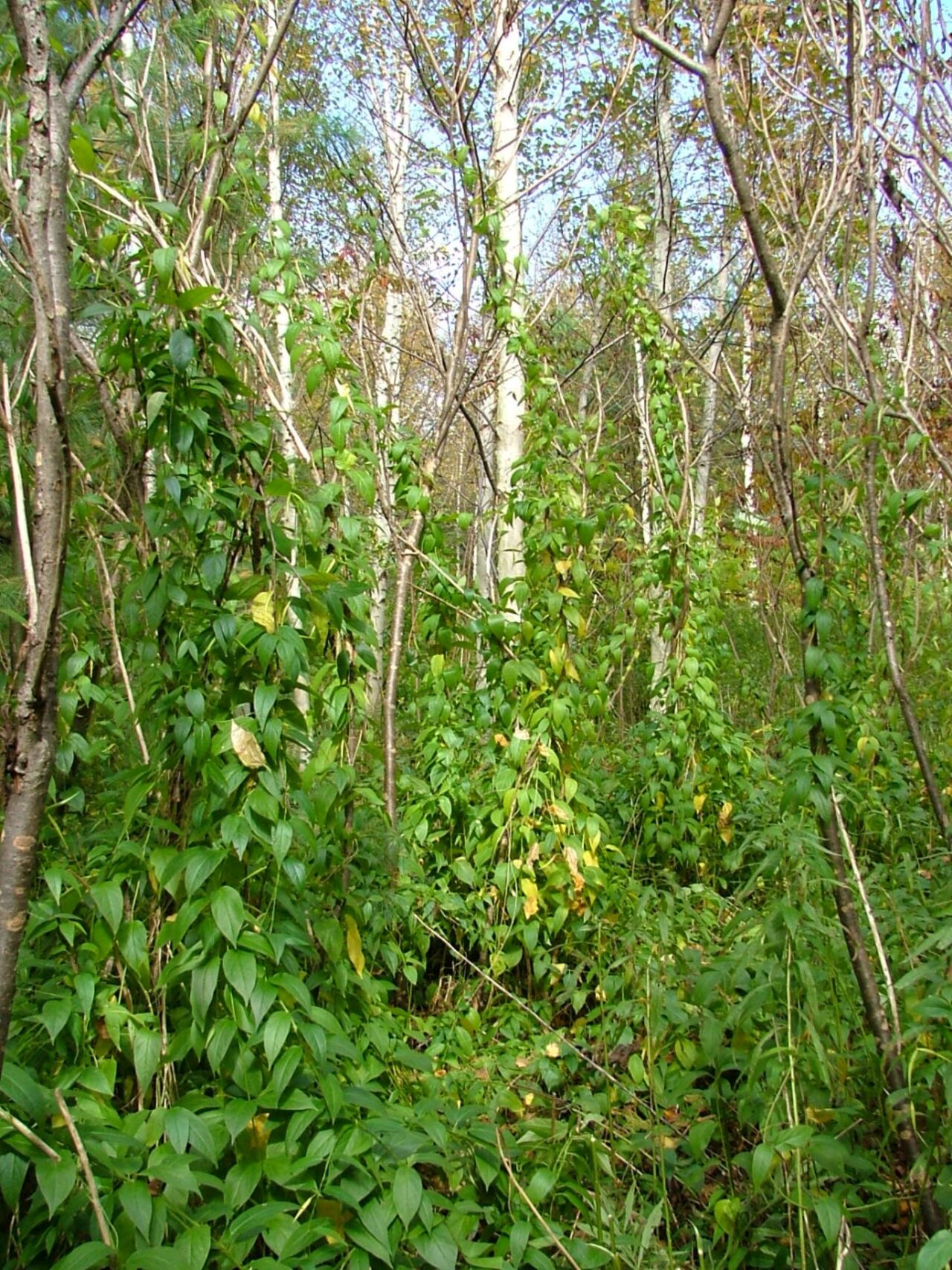
As the dog-strangling vine spreads, it not only crowds out native wildflowers but also creates ecological traps for monarchs and other wildlife that depend on healthy native plant communities.
Removing young plants before they produce seed pods is one of the most effective ways homeowners can help reduce their spread.
Zebra Mussels
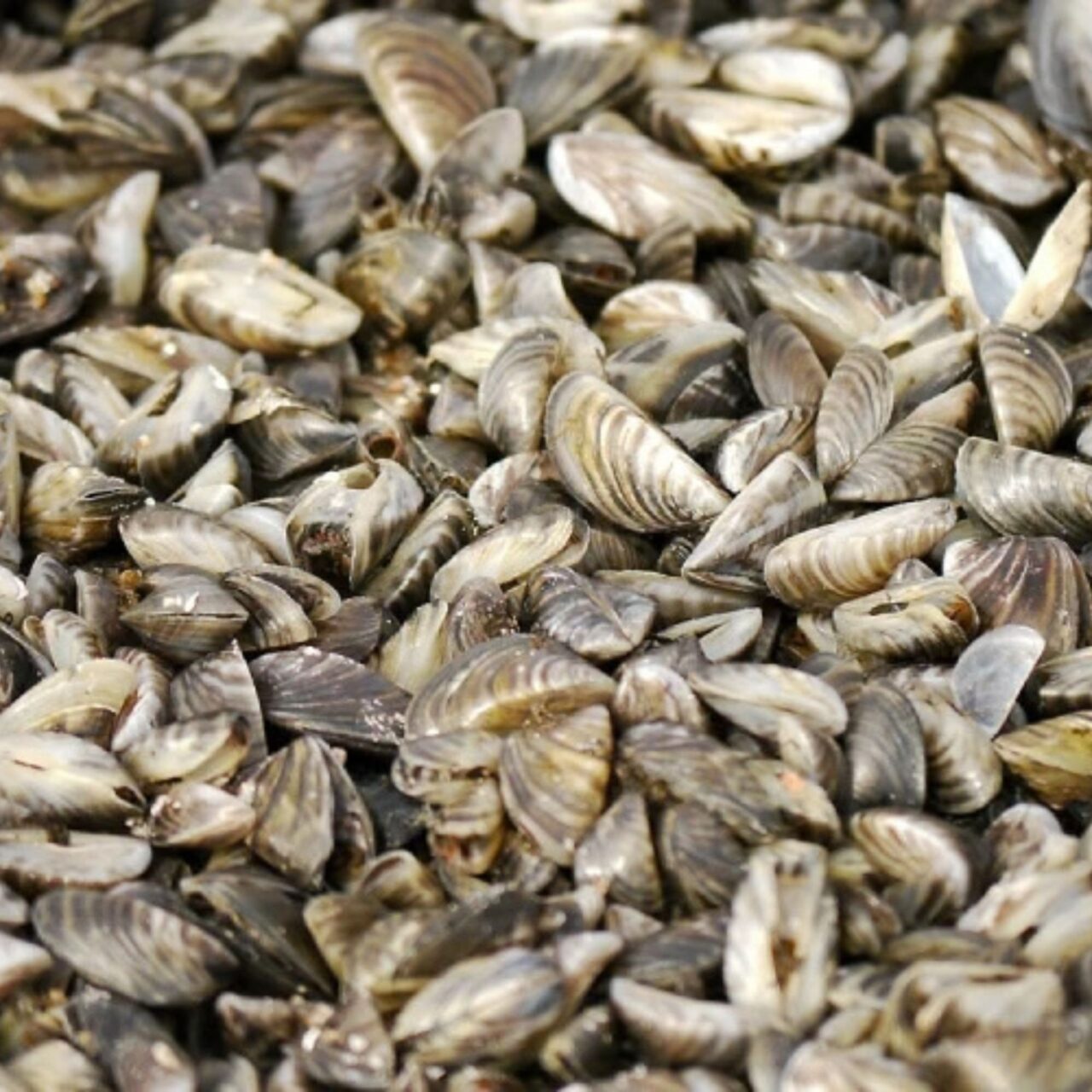
Some invasive species don’t grow on land at all. Hidden beneath the waters of the Bay of Quinte are zebra mussels, one of the best-known aquatic invaders in North America.
Originally introduced through the ballast water of ships arriving from Europe, zebra mussels now cover docks, rocks, boats, and underwater structures throughout the Great Lakes system. Although each mussel is only a few centimeters long, millions can live together in dense colonies.
By filtering enormous amounts of water, zebra mussels remove microscopic plankton that native fish and freshwater mussels rely upon for food. Water often becomes noticeably clearer, but that clarity comes with ecological costs, shifting food webs and altering aquatic habitats.
For boaters, anglers, and paddlers, preventing further spread is fairly simple: clean, drain, and dry boats and equipment before going to a new body of water.
Spongy Moth Caterpillars
Imagine standing beneath a mature oak tree in early June. Instead of hearing birds singing overhead, you hear a faint crunching sound. Thousands of caterpillars are feeding.
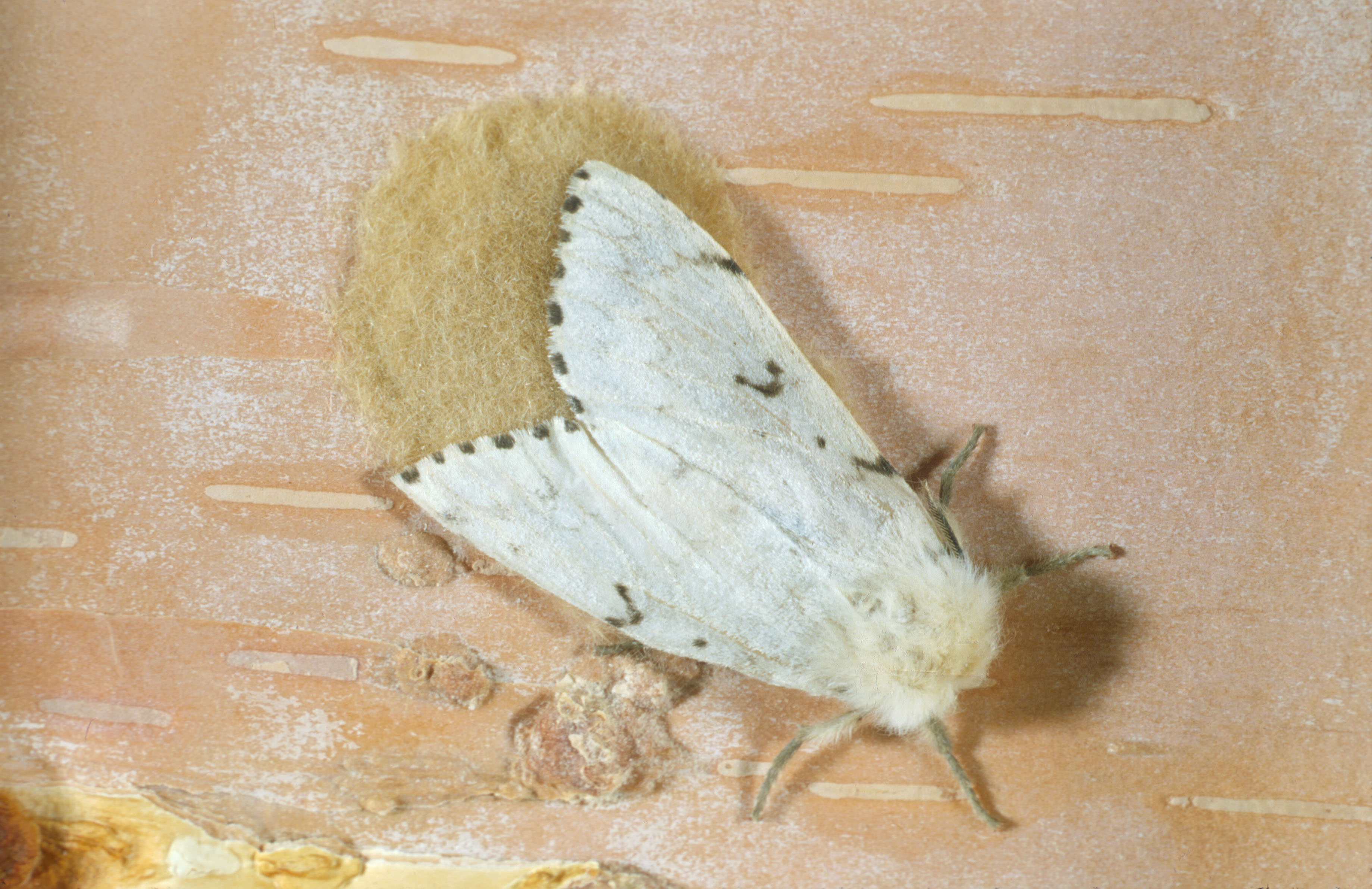
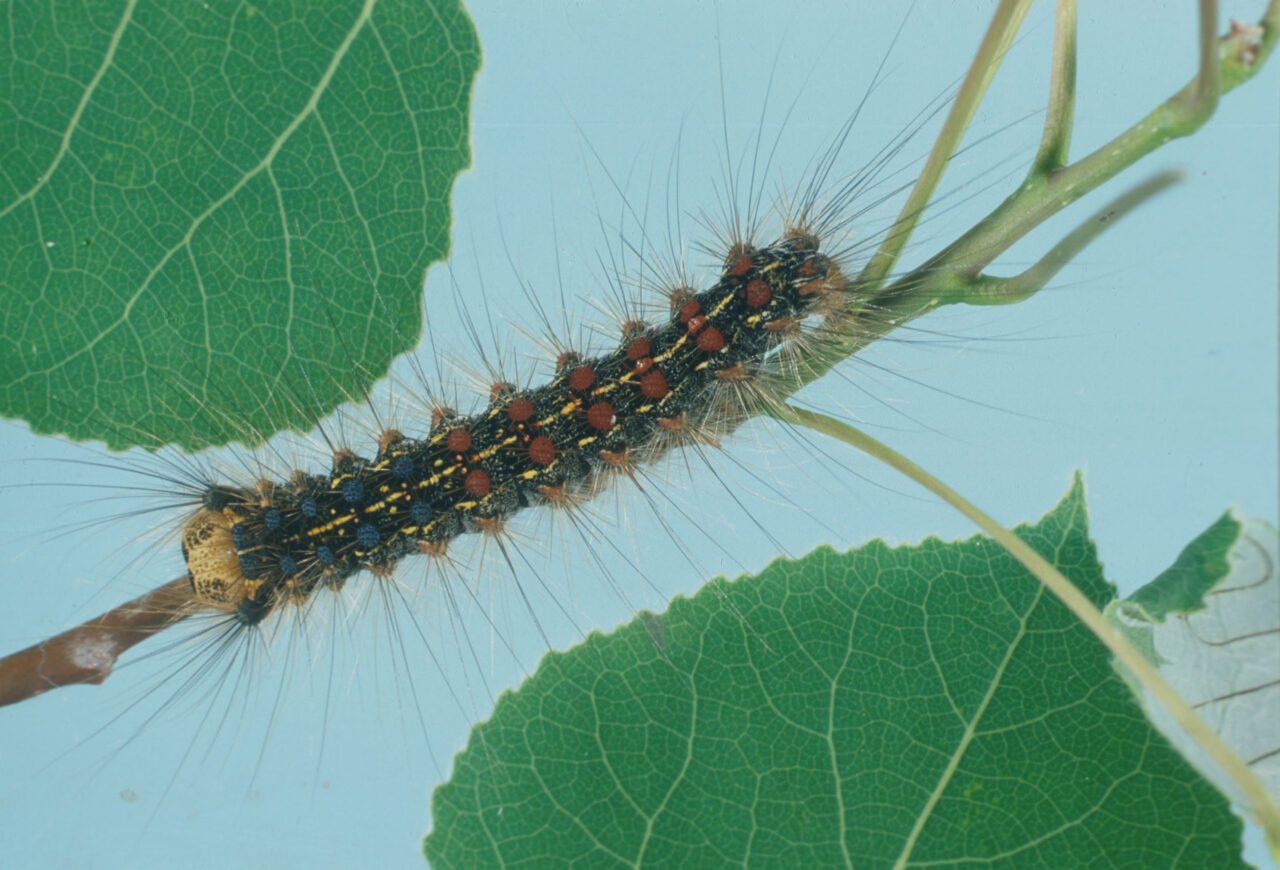
Spongy moth caterpillars (formerly known as gypsy moths) can strip entire trees of their leaves during outbreak years. While healthy trees can survive occasional defoliation, repeated attacks weaken them, making them more vulnerable to drought, disease, and other insects.
In Quinte West, outbreaks have transformed green forests into landscapes that appear almost autumn-like in the middle of summer.
Residents can help by learning to recognize the tan, fuzzy egg masses found on tree trunks, fences, outdoor furniture, and even vehicles during the fall and winter. Removing these egg masses before they hatch helps reduce local populations the following spring
More Invasive Species
Wild parsnip, dog-strangling vine, zebra mussels, and spongy moths are only part of the story.
Across the Quinte region, conservation organizations also monitor garlic mustard, buckthorn, European common reed (Phragmites), Japanese knotweed, purple loosestrife, and many other invasive species. Each species affects ecosystems in different ways, from replacing native wildflowers to altering wetlands that provide habitat for birds, amphibians, turtles, and countless insects.
Because invasive species often spread gradually, they can become part of the landscape before many people realize something has changed.
Becoming Nature Detectives
One of the most valuable tools in managing invasive species isn’t a machine or a chemical treatment, it’s us! Naturalists, hikers, gardeners, anglers, birdwatchers, and everyday people all contribute to protecting biodiversity simply by paying attention.
Learning to identify a handful of common invasive species makes it easier to spot new infestations before they become widespread. Reporting observations through programs like EDDMapS helps scientists and conservation organizations track where species are spreading and determine where management efforts are most needed.

In many cases, early detection is the difference between controlling an invasive species and living with it indefinitely.
It’s easy to feel discouraged when learning about invasive species. Although many invasive species are here to stay, that doesn’t mean the story is over. Native ecosystems are remarkably resilient when given the chance. Wetlands can recover, forests can regenerate, and native wildflowers can return when invasive species are managed thoughtfully and consistently.
Protecting these places doesn’t always require extraordinary action. Sometimes it means cleaning mud from your hiking boots before visiting another trail. Sometimes it means choosing native plants for your garden. Sometimes it means recognizing invasive species and reporting them.
The landscapes of Quinte West are shaped not only by rivers and seasons but also by the choices people make every day.
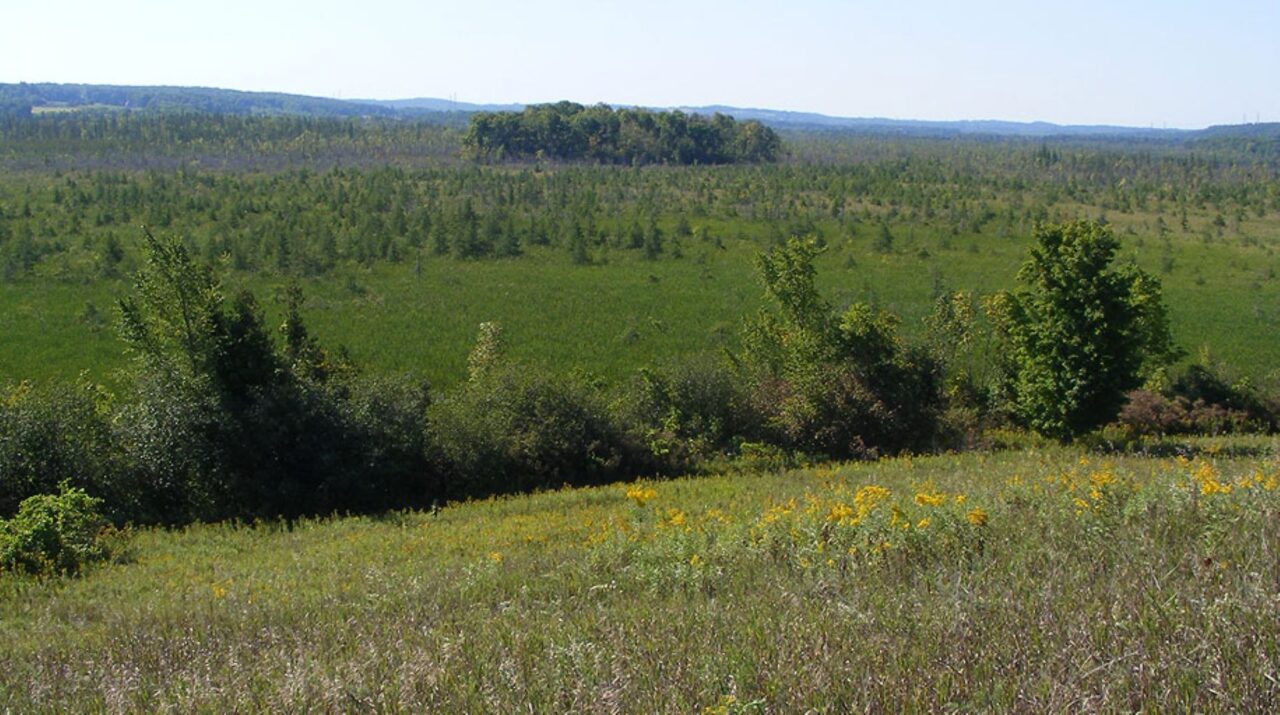
The next time you’re outside, take a closer look. You may discover that the most fascinating stories in nature are not always about the species that belong, but about those that don’t, and the ongoing effort to protect the remarkable ecosystems that make this region home.
Make sure to always check the proper way to manage an invasive species (https://www.ontarioinvasiveplants.ca/invasive-plants/species/, https://www.eddmaps.org/, https://www.ontario.ca/page/invasive-species-ontario) or contact local conservation organizations to find out what to do.
Image Credits
Female Spongy Moth Laying Eggs by Thérèse Arcand – https://tidcf.nrcan.gc.ca/en/insects/factsheet/9506
Trenton Escarpment, Lower Trent Natural Habitat Conservation Area – https://ltc.on.ca/conservation_lands/trenton-escarpment/
Wild Parsnip Flowers by Leslie J. Mehrhoff, University of Connecticut, Center for Invasive Species & Ecosystem Health – https://www.ontario.ca/page/wild-parsnip
Dog-Strangling Vine – https://www.ontarioinvasiveplants.ca/invasive-plants/species/dog-strangling-vine/
Zebra Mussels by Peter Taylor – https://www.invasivescanada.ca/invasive-species/profile/zebra-mussel/
Spongy Moth Caterpillar by Thérèse Arcand – https://tidcf.nrcan.gc.ca/en/insects/factsheet/9506
EDDMapS Logo – https://www.eddmaps.org/
Murray Marsh Lower Trent Natural Habitat Conservation Area – https://ltc.on.ca/conservation_lands/murray-marsh/